
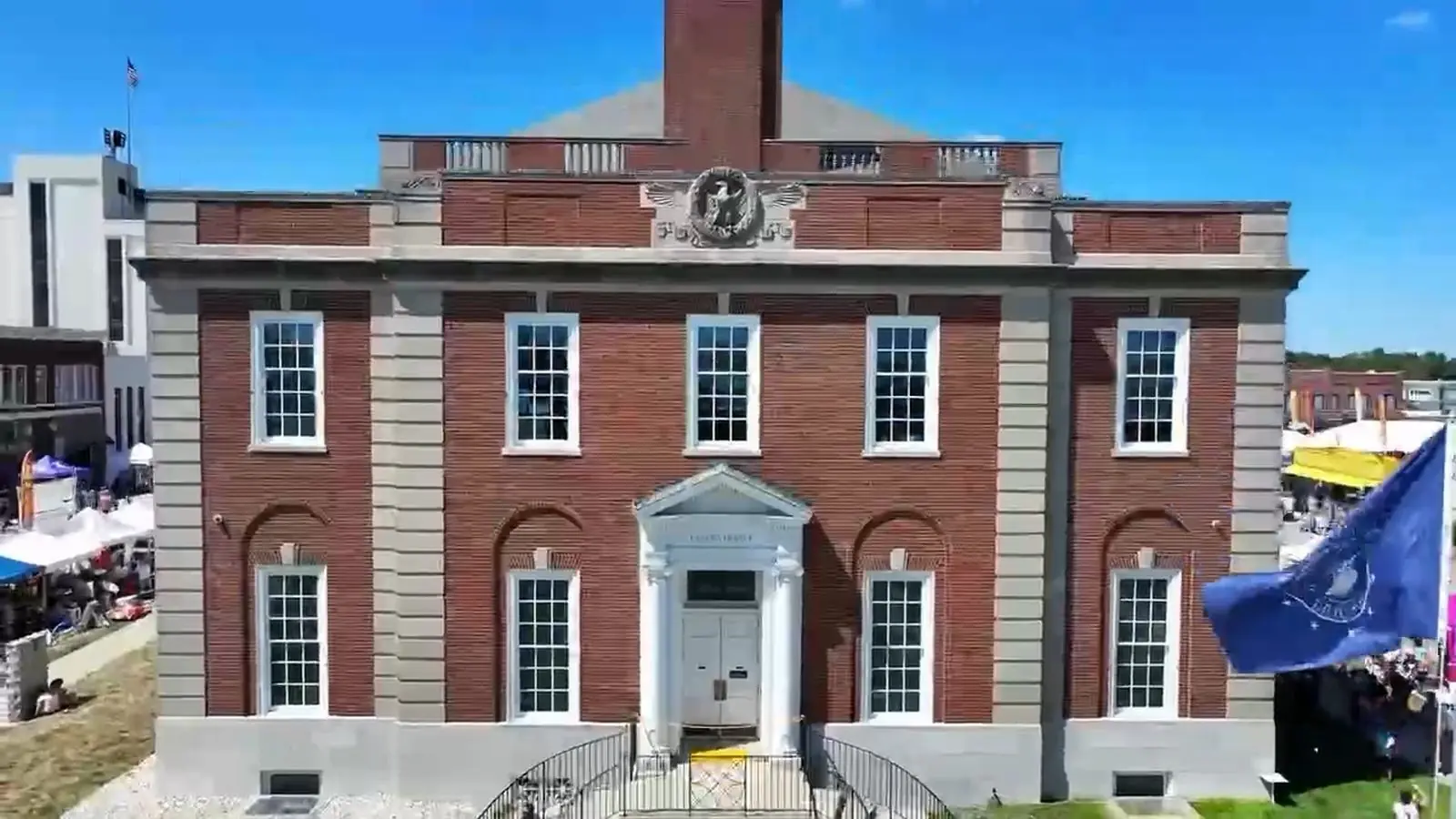
Drone photography and video for properties, facilities and events
Show the scale, setting and experience of your business with aerial and planned interior photo and video content.
Flown by an FAA Part 107 remote pilot.

What an aerial view shows that a ground shot can't
Some things are hard to explain in words or photos taken at eye level. How big a site really is. What sits next to it. What it feels like to move through it.
Scale
The true size of a property, a facility or an event, which ground level photos tend to flatten.
Setting
Where you are, what surrounds you, and how easy you are to reach.
Experience
Movement through a space, so a viewer gets a feel for being there before they arrive.
Projects where drone work earns its place
These are common uses, not a promise that every site or event can be flown. Location, airspace, weather and the property's own rules decide that, and they're checked before anything is booked.
- Commercial properties. Overviews for leasing, sales and development that show the building, the lot and the surrounding area.
- Facilities. Plants, campuses, warehouses and yards, where scale and layout are hard to explain from the ground.
- Destinations. Attractions, venues, parks and outdoor spaces people want to picture before they visit.
- Events. Setups, crowds and atmosphere, where the airspace, the venue and the rules on flying over people allow it.
- Construction and renovation. Progress documentation from consistent vantage points over the life of a project.
- Brand and campaign video. Establishing shots that open a video, a website or an ad with a sense of place.

Three platforms. Each built for a different kind of shot.
Different shots need different aircraft. The platform is chosen for what you need to show, rather than fitting every project to one drone.
Controlled, stabilized aerial work
Property and facility overviews, establishing shots, slow reveals and high resolution stills. The choice when footage should feel calm and deliberate.
Continuous single take motion
Flying through a door, down a production line, or around a property in one unbroken shot, including moves from inside a building to outside it. Used when you want energy and a sense of space.
Immersive capture you can explore
Content a viewer can look around in rather than just watch. Useful for destinations, venues and properties where people want to see the whole place, not only one chosen angle.
Capture capability
- Up to 8K resolution, depending on the platform and settings
- Up to 120 frames per second, for smooth slow motion
- Aerial 360 capture, an increasingly requested format for immersive and interactive content
Each of these is a capability. What a specific location allows is confirmed during planning.
Every project starts on the ground
Every project starts with a location and airspace assessment, because permissions, weather and site constraints determine what is actually possible.
Goals and uses
What the footage is for, and every place it will appear.
Location and airspace
Nearby airports, restricted areas, people and traffic on site, and the property's own rules.
Permissions
Any authorization the airspace requires, and the property owner's go ahead, arranged before the flight.
Shot plan
Which platform for which shot, the flight paths, and the time of day for the best light.
Flight day
A final check of weather and site conditions before anything leaves the ground.
Edit and deliver
Selected, edited and exported for the places it will be used.
Some locations near airports need FAA authorization before a flight, and some can't be flown at all. If that's the case for your site, you'll hear it during planning, along with any alternatives worth considering.
What you receive
The deliverables are agreed before the shoot, so there's no guessing afterward about what's included. Depending on the project, that can mean:
- Edited video, cut to the lengths each channel needs
- Horizontal and vertical versions for websites, ads and social
- Edited high resolution stills
- Aerial 360 content, prepared for where it will be viewed
- Raw footage, where the project scope includes it
How the footage can be used is written into the project scope as well. If people are identifiable or someone else's property is in frame, that gets addressed during planning, not after the edit.
- Your website
- Header video, property and location pages, and the about page.
- Advertising
- Video ads with versions sized for each placement.
- Social media
- Short clips and vertical cuts for feeds and stories.
- Sales and leasing
- Presentations, listings and proposals.
- Virtual visits
- Aerial 360 content for venues and destinations.
- Project records
- Consistent progress views over the life of a build.
Works best alongside
Creative Services
Ground level photography, video editing and design, so aerial footage becomes part of a finished piece rather than a standalone clip.
Websites
Aerial footage planned around the pages and layouts where it will appear, so it loads well and supports the next step.
Drone questions
What locations do you serve?
Pinpoint flies out of the Kansas City area, and projects further afield can be discussed. Wherever the site is, whether it can be flown depends on the airspace and the property, and that's checked first.
Can you capture interior footage?
Interior shots, and moves from inside a building to outside it, are part of what the FPV platform is for. Whether a particular space can be flown indoors depends on its size, the people in it and the property's rules, and it's assessed during planning. Some interiors are better captured with a ground camera, and you'll hear that if it's the case.
What happens if weather changes?
Wind, rain and low visibility affect both safety and footage quality, so conditions are checked again on the day. If they aren't right, the flight doesn't go ahead as planned. How rescheduling works is set out in the project scope.
Can footage be used in ads and on our website?
That's usually the point. Footage is planned with its uses in mind, including ads, your website and social media, and the usage terms are written into the project scope. Advertising platforms have their own content rules, which are considered when the edit is planned.
What files will we receive?
It depends on the agreed project. Deliverables are set before the shoot: which edited videos, in which lengths and orientations, edited stills, any 360 content, and whether raw footage is included.
Are you licensed to fly commercially?
Yes. Pinpoint's drone work is flown by an FAA Part 107 remote pilot, which is the FAA's requirement for flying a drone for business purposes.
Talk about a drone shoot
Tell me what you'd like to show, where it is, and how you plan to use the footage. We'll start with whether the location can be flown.
- Call or text (816) 730-2967
- Email austin@pinpt.com
Your message comes straight to Austin, not a sales team.