

Social media advertising that turns attention into customers Meta ads on Facebook and Instagram, plus TikTok, Pinterest, Reddit, LinkedIn and more
Facebook and Instagram lead the plan for most businesses. TikTok, Pinterest, Reddit, LinkedIn, Snapchat, X and Nextdoor join it when your customers spend real time there. Every campaign is planned with creative testing and follow up from the start.
Paid creates reach. Organic builds depth.
Search ads reach people who are already looking. Social ads reach people who weren't, somewhere in the middle of their scroll. That makes Facebook, Instagram and the other social platforms good at introducing a business, keeping it in mind and bringing people back, and it means the creative carries much more of the weight than it does in search.
Paid social
Campaigns you pay to put in front of a defined audience, including people who have never heard of you.
- Reaches defined groups beyond your current followers
- Supports leads, sales, bookings and events
- Reaches viewers, visitors and past customers again
Organic social
What you publish on your own accounts without paying to distribute it.
- Shows the brand, people and personality
- Builds community, education and confidence
- Surfaces themes that improve paid testing
Both should share the same creative direction, and each has a different job. This page is about the paid side. Ongoing posting is covered separately. Social Media Management
When social media advertising makes sense
Social advertising works best when there is something worth showing and a clear audience to show it to. A space people want to visit, a product that looks good in someone's hand, an event with a date on it, or a service people think about for a while before they call.
It is a harder fit when customers only need you in an emergency. Nobody scrolls Instagram hoping to find a plumber at midnight. In that case search usually comes first, and social plays a supporting role, if any.
If you already run ads, the work starts with what the account is doing now: which audiences and creative have produced real inquiries, what the tracking is actually counting, and where the budget is going to people who were never going to buy. Anything that has worked is kept.
Usually a good fit
- Products, spaces or services that show well in photos and video
- Events, openings, enrollments and seasonal offers
- Services people consider for a while before contacting anyone
- Businesses with customers and website visitors worth reaching again
Usually better started elsewhere
- Urgent needs where people search rather than browse
- No way yet to measure what happens after the click
- No capacity to produce or approve new creative regularly
If social ads aren't the right first step for your business, I'll tell you, and tell you what is. Sometimes that is search advertising. Sometimes it is fixing the page the ads would send people to.
Your data creates a smarter starting point
The most useful audiences often begin with information the business already owns, organized by value, intent and how recently someone was in touch. Audiences are planned from the center out.
First party customer data
Customer lists, past purchasers, CRM stage and product interest.
Intent and engagement signals
Website and video engagement, forms, carts and bookings.
Qualified expansion
Lookalike modeling and relevant interest or geography.
A past buyer, a recent visitor and a cold prospect shouldn't get the same message.
Whether a customer list can be used at all depends on how it was collected and what customers agreed to. That gets checked before anything is uploaded, not after.
Every campaign needs a job
A single campaign asked to find new customers, collect leads and close sales at once usually does none of them well. Each campaign is given one role, and budget moves between roles as the results come in.
Prospecting
Reach new, qualified audiences who don't know you yet.
Lead generation
Drive calls, forms and inquiries.
Sales & key actions
Support purchases, bookings and registrations.
Retargeting
Reconnect with past visitors, viewers and buyers.
The same audience thinking carries across platforms. Customer lists, site visitors and engaged viewers can be used on most of them, where consent allows. Pinpoint works from the Kansas City area, and campaigns can reach people in one town or across several countries.
Choosing where to advertise
The platform follows the goal. These are the usual starting points. Your audience and creative can change the answer.
| If the goal is | Usually start with | Why |
|---|---|---|
| Local leads and bookings | Facebook and Instagram, then Nextdoor | Precise location targeting, lead forms and retargeting, with neighborhood reach for service businesses. |
| Online sales | Facebook and Instagram, then Pinterest or TikTok | Catalog ads and purchase tracking on Meta. Pinterest reaches planners, TikTok reaches people who buy what they see. |
| Business to business leads | LinkedIn, with Meta for retargeting | Job title and company targeting on LinkedIn, then lower cost reminders for the people who already engaged. |
| A younger audience | TikTok, Instagram and Snapchat | Vertical video where that audience spends its time. |
| A niche or enthusiast audience | Reddit, alongside Meta | Communities built around the exact interest you serve. |
| Events, openings and launches | Facebook and Instagram, then TikTok or X | Fast reach on a deadline, with video that shows what people will get. |

The creative has to earn the next second.
Every ad competes with entertainment, news and everything else on someone's phone. Creative is built in related variations: one strong idea, adapted across paid ads, organic posts and retargeting, so each round of testing tells you something useful about the next.
Stop
A strong opening visual or point of view.
Show
Make the value easy to understand, fast.
Move
Give the viewer a clear next step.
An example: one idea, cut three ways
Open on the crust
A close shot of a pie being cut stops the scroll. The flavors and the order deadline appear in the first few seconds. The button goes to a short order page, not the homepage.
Meet the baker
Footage from the same shoot, with the owner explaining why the crust is still made by hand. No hard sell. Just a reason to remember the name.
A reminder, not a repeat
For people who watched most of the video or visited the order page: the pickup dates and the deadline, said plainly.
Illustrative concept for a fictional bakery. Not a client campaign, and not a result.
Video made for social ads
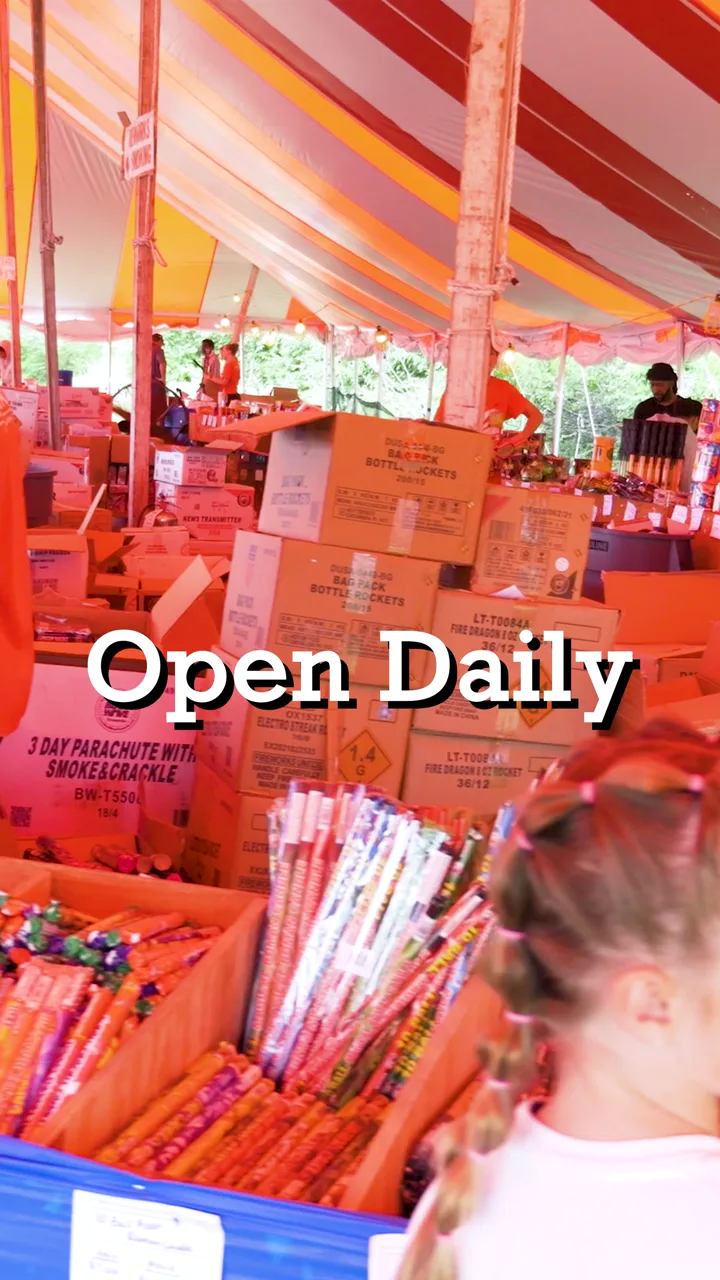
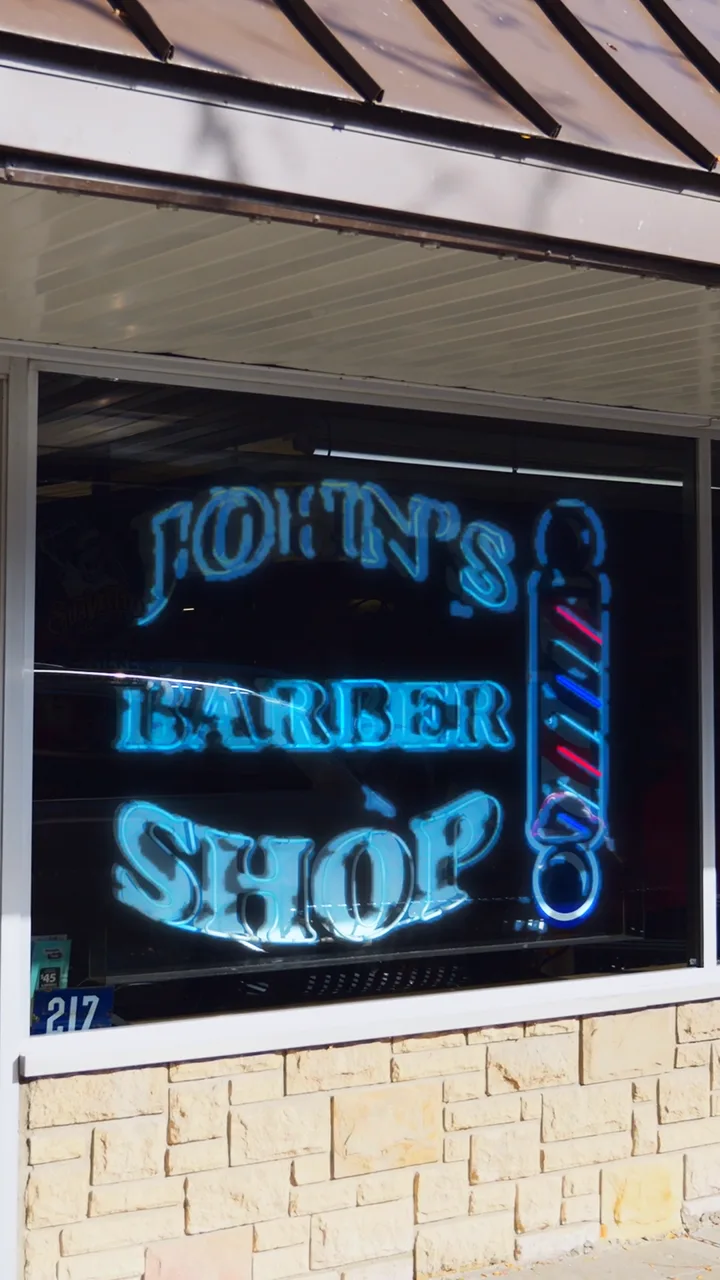
Short, vertical-first video from recent campaigns, including the Fireworks KC reel that ran as paid ads on Instagram, Facebook and TikTok and Opera Colorado's Madama Butterfly reels. Select one to watch it here.


Reporting should explain what to do next
Cheap reach is easy to buy. It isn't the same as customers.
Every platform's dashboard is useful for running campaigns, but each one counts results by its own rules. Reporting separates what the platform says from what your business actually saw, and follows the path from ad, to landing page, to the conversation with your team. That connection is the part of performance marketing that matters most here.
Measuring what people do on your website usually means each platform's pixel, such as the Meta Pixel or TikTok Pixel, and, where the ad account, the website and your consent setup allow it, a server side connection like Meta's Conversions API. What is possible for your business is scoped during setup rather than assumed.
- What changed in the campaigns, and why
- Which creative is earning attention, and which has worn out
- Lead quality, as your team experienced it
- The next test, and what it is meant to answer
- Level 1 · Reach & attention
- Reach and frequency, video watch behavior, and the cost to reach people.
- Level 2 · Website & customer action
- Landing page engagement, calls, forms and bookings, and what retargeting brings back.
- Level 3 · Business quality
- Cost per qualified action, lead quality, and return on ad spend where sales can be tracked reliably.
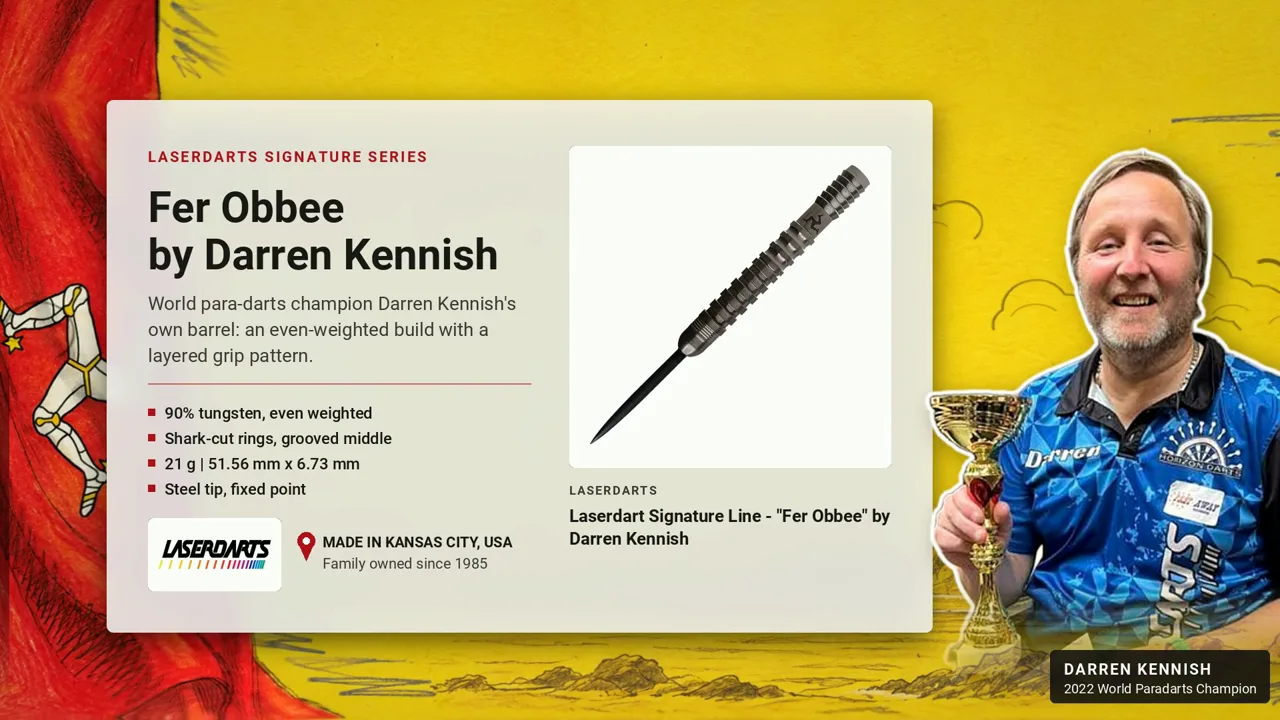
Horizon Darts: Meta campaigns backed by original video
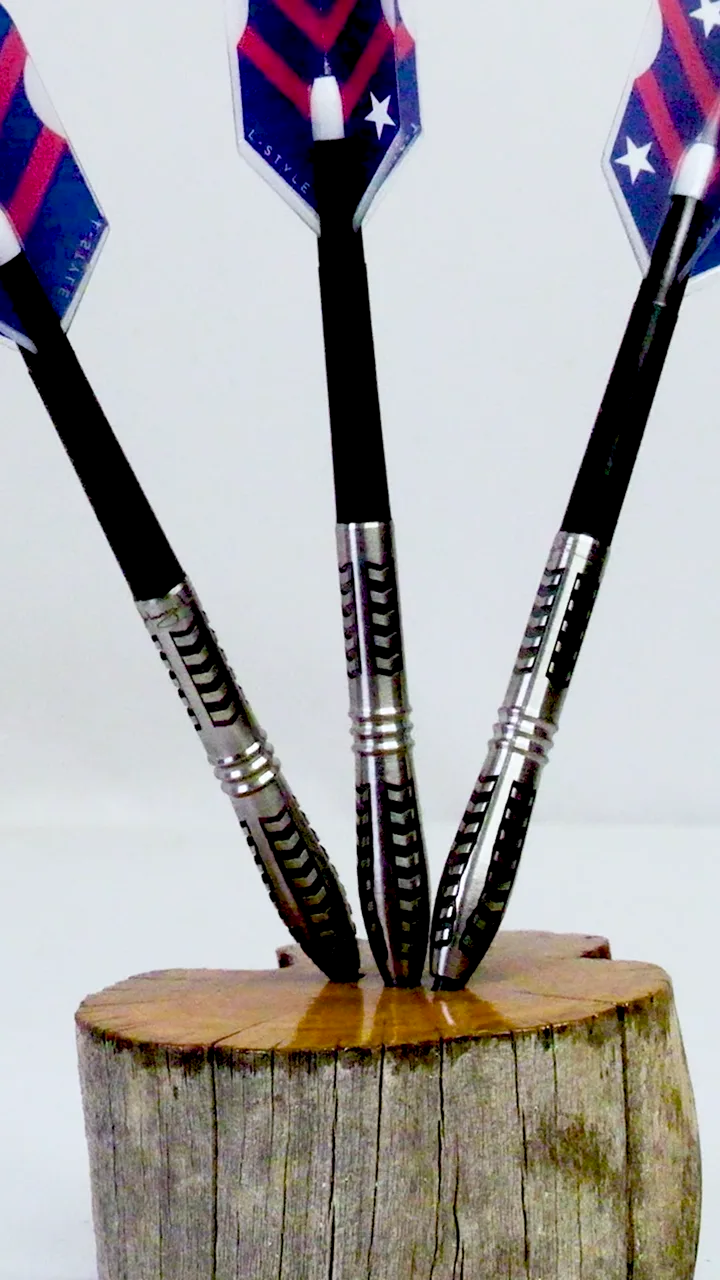
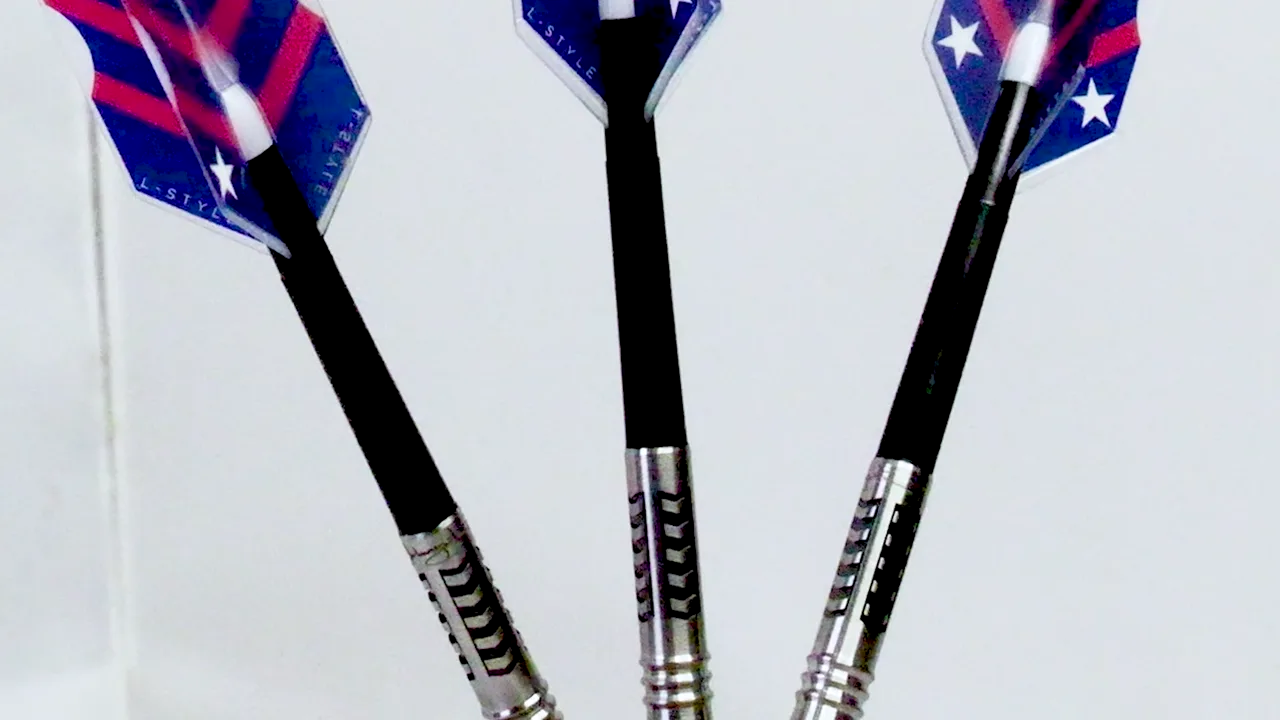
Alongside their Google campaigns, I run Horizon Darts' Meta Ads and produce the product videos used across their ads, social media, website and tournament displays.
Works best alongside
Creative Services
Photo and video planned so one shoot supplies the ad variations, the organic posts and the retargeting.
Social Media
Organic content that builds trust with the same people your ads are reaching, and shows which themes are worth paying to test.
Websites
A landing page that picks up where the ad left off, loads quickly on a phone and makes the next step obvious.
Social media advertising questions
Which social platform should we advertise on first?
For most businesses, Facebook and Instagram. They reach the widest audience with the most reliable tools for leads, sales and retargeting. A second platform is added when there is a clear reason: LinkedIn for business buyers, TikTok or Snapchat for a younger audience, Pinterest for people planning purchases, Reddit for enthusiasts, or Nextdoor for neighborhood services. Choosing where to advertise
Do you run TikTok, Pinterest, Reddit and LinkedIn ads?
Yes, when your audience is there and there is creative that suits the platform. Each one gets its own campaign structure, tracking and reporting rather than a copy of what runs on Meta.
Do you create the ads?
Yes. Planning the creative is part of the work: the concepts, the copy and the variations used for testing. Existing photos and video are used where they fit, and larger shoots are coordinated through Creative Services. You can see recent video work in the portfolio.
Can you work with our existing content?
Often, yes. Good photos, customer videos and posts that people already responded to are a strong place to start. The review looks at what you have, what is worth testing, and where a few new pieces would make a real difference.
Is organic posting included?
Not by default. Social Media Ads covers paid campaigns. Ongoing posting, content calendars and community management are part of Social Media. When you use both, they share the same creative direction.
Do you manage Instagram as well as Facebook?
Yes. Both run through Meta's ad platform, along with placements on Threads and WhatsApp Status. Placements are chosen based on where your audience responds and which formats suit the creative, rather than running everywhere by default.
How do you address low quality leads?
By finding where they come from first. Forms that ask almost nothing tend to collect low intent submissions, so the answer might be a more qualifying form, a landing page instead of an instant form, a clearer offer, a tighter audience, or regular feedback from your team about which leads were real. Budget then follows qualified leads, not raw form counts.
Should we just boost our posts?
Boosting is a quick way to show a post to more people, and occasionally that's all you need. It offers far less control over the goal, the audience and the measurement than a planned campaign. If boosting is your history so far, it is still useful: it shows which content people responded to.
Talk about social media ads
Tell me what you've tried on Facebook, Instagram or any other platform, what it produced, and what you'd like it to produce. If boosted posts are the whole story so far, that's a perfectly good place to start.
- Call or text (816) 730-2967
- Email austin@pinpt.com
- Open Monday to Friday, 9 AM to 5 PM Central
Your message comes straight to Austin, not a sales team.
Meta first. Not Meta only.
Facebook and Instagram reach more of almost any local or national audience than any other social platform, so Meta is where most plans start. The right second platform depends on who you need to reach and what you have to show them.
Meta: Facebook and Instagram
The broadest reach, detailed location and audience targeting, and the most mature tools for leads, sales and retargeting. Threads and WhatsApp Status are available as extra placements.
TikTok
Short, native video that reaches younger audiences and anyone who discovers by scrolling. It works when you can show the product, the process or the people behind it.
Pinterest
People planning a purchase: home, weddings, food, fashion, gifts and events. Ads reach them while they are still deciding, often weeks before they buy.
Reddit
Targeting by community and interest, reaching people who research a topic in depth. Strong for considered purchases, hobbies and products with enthusiasts.
LinkedIn
Business to business targeting by job title, seniority, company and industry. Clicks cost more, and are often worth it when a single customer is worth a lot.
Snapchat
Reach with Gen Z and young adults in a full screen, vertical format, including sponsored messages in the Chat tab.
X
Real time conversation around news, sports and live events, with lead generation ads now open to all advertisers.
Nextdoor
Neighborhood level targeting for local service businesses, reaching residents where they already ask each other for recommendations.
YouTube
Video reach that runs through Google Ads, so it is planned alongside search when both are in play.
Search advertising
Each platform is added for a reason: your audience is there, you have creative that suits it, and the results can be measured. Running everywhere at once usually means running nowhere well.